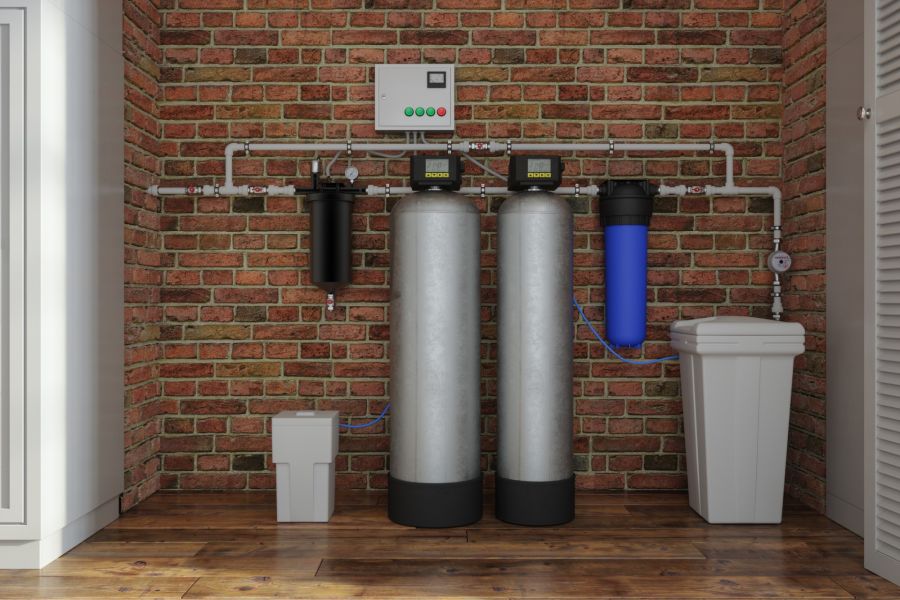
A water softener is one of the best investments you can make for your home, but like any appliance, it needs regular maintenance to perform at its best. Follow this guide to keep your system running smoothly for years to come.
Monthly Maintenance
Check Salt Levels
The most basic maintenance task is checking your brine tank's salt level. Here is what to look for:
- Salt should be at least one-third full -- top it off if it drops below this level
- Use the right salt type -- evaporated salt pellets are recommended for most systems
- Avoid rock salt -- it contains impurities that can clog your system
- Do not overfill -- keep salt 4 to 6 inches below the top of the tank
Monitor Water Quality
Pay attention to your water quality. If you notice spots on dishes, dry skin, or scale buildup returning, your softener may need attention.
Every 3 to 4 Months
Check for Salt Bridges
A salt bridge is a hard crust that forms in the brine tank, creating a gap between the salt and the water. The salt looks full from the top, but the system cannot create brine properly.
How to check: Carefully push a broom handle into the salt. If it meets resistance before reaching the water, you have a salt bridge.
How to fix: Gently break up the crust with the broom handle. Be careful not to damage the tank.
Check for Salt Mushing
Salt mushing occurs when dissolved salt recrystallizes at the bottom of the tank, forming a thick sludge. This is harder to fix than a salt bridge and may require draining the tank.
Prevention: Use high-quality evaporated salt pellets and avoid mixing salt types.
Every 6 to 12 Months
Clean the Brine Tank
Once or twice a year, give your brine tank a thorough cleaning:
- Use up or scoop out remaining salt
- Disconnect the tank and take it outside
- Rinse with clean water
- Scrub the inside with dish soap and a long-handled brush
- Rinse thoroughly
- Reconnect and add fresh salt
Clean the Resin Bed
The resin beads inside your softener can accumulate iron, manganese, and organic compounds over time. Use a resin bed cleaner (available at hardware stores) following the product instructions.
Inspect the Venturi Valve
The venturi valve creates suction to draw brine into the resin tank. It can become clogged with sediment or salt deposits.
- Remove the valve cover and internal components
- Soak in warm water
- Clean with a small brush
- Reassemble and put the valve back
Troubleshooting Common Issues
Water Feels Hard Again
- Check salt level in the brine tank
- Look for salt bridges or mushing
- Verify the system is regenerating on schedule
- Check if water usage has increased significantly
System Uses Too Much Salt
- Check for a leak in the brine tank
- Verify regeneration settings are correct
- Ensure the system is sized properly for your household
Water Tastes Salty
- Check the drain line for blockages
- Verify the rinse cycle is completing properly
- Inspect the venturi valve for clogs
Low Water Pressure
- Check the bypass valve -- make sure it is in the correct position
- Inspect the resin tank for sediment buildup
- Look for kinks in the supply lines
When to Call a Professional
Some issues are best left to qualified technicians:
- Motor or timer failures -- electrical components need expert repair
- Resin replacement -- resin beads typically last 10 to 15 years before needing replacement
- Persistent problems -- if basic troubleshooting does not resolve the issue
- Annual inspections -- a professional check-up catches problems early
Extend Your System's Life
With proper maintenance, a quality water softener can last 15 to 20 years. The key factors are:
- Regular salt checks -- monthly
- Quality salt -- evaporated pellets
- Periodic cleaning -- brine tank, resin bed, and venturi valve
- Professional service -- annual inspection recommended
Need Help With Your Water Softener?
Whether you need a routine check-up, repairs, or a new system, our trained technicians are here to help. We service all major brands and offer free estimates.
Contact us today or call (949) 873-1129 to schedule a service appointment.